Morphology might sound like a big, fancy word, but it just means the study of word parts—and it can make a huge difference in how our students read, spell, and. Understand new words If you’re new to teaching morphology, don’t worry! You can start small with simple routines and meaningful practice Here are 5 easy […]
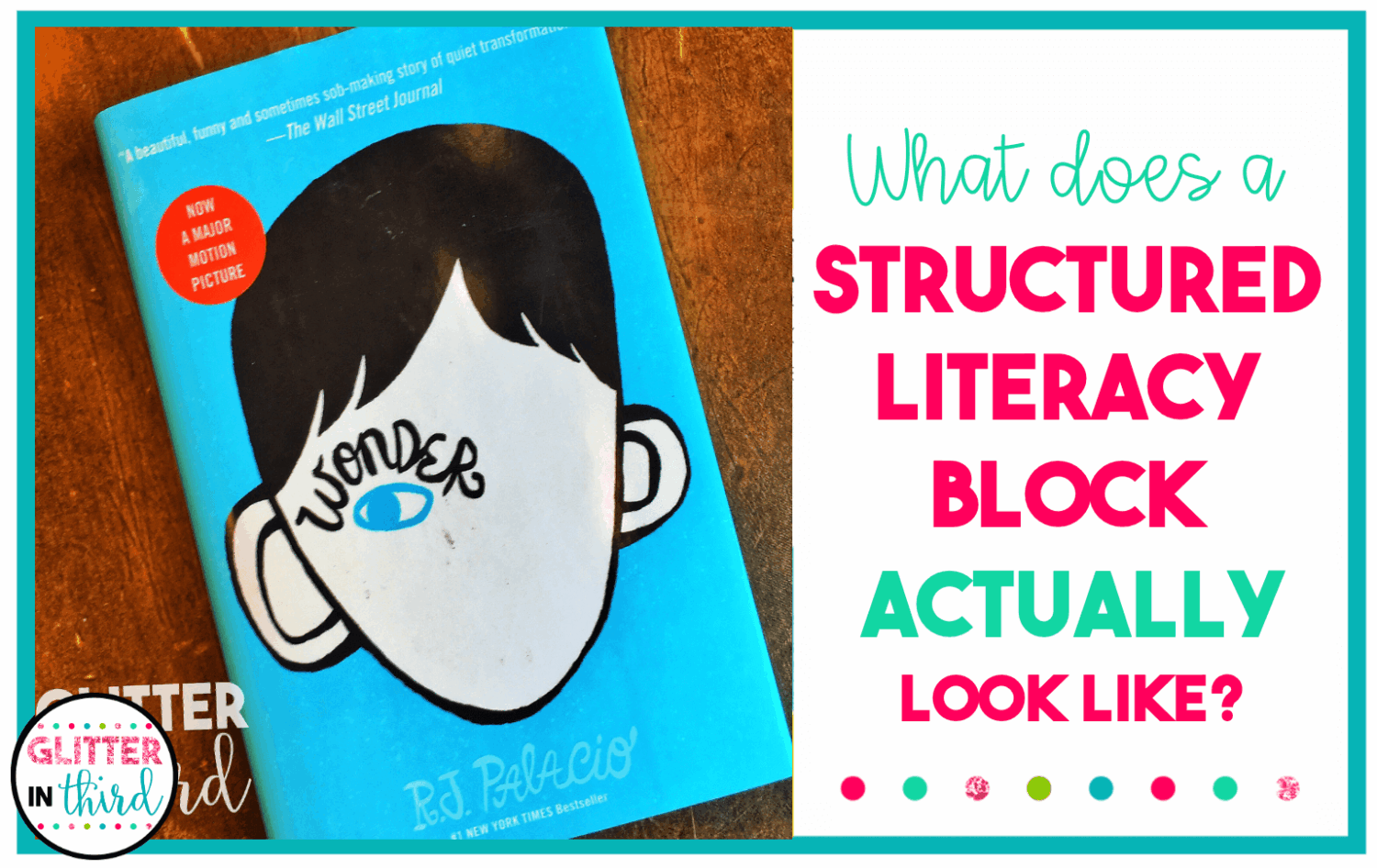
If you’ve been navigating the Science of Reading, you’ve probably come across the term structured literacy—but knowing what it is and knowing how to actually plan your reading block around it are two very different things. The good news? You don’t need to throw out everything you’re already doing. A structured literacy approach simply means […]
If you’ve ever taught a lesson in the classroom that should have worked—but students still looked confused, distracted, or totally overwhelmed—you’re not alone. There’s a name for what’s going on: Cognitive Load Theory. It’s not just another buzzword from professional development. It’s actually a practical, research-based way to think about how students process information—and how […]
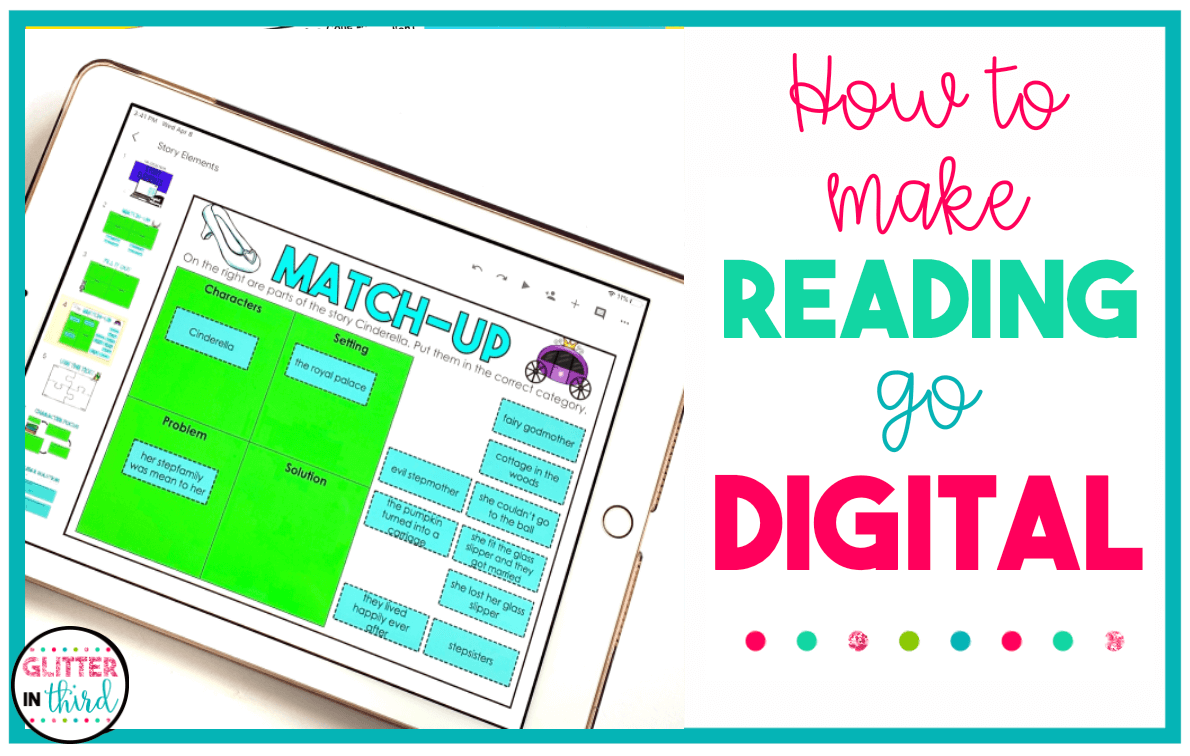
Let’s face it—teaching reading comprehension isn’t as simple as handing students a book and asking questions. And when you add in digital reading comprehension strategies, things can feel even more overwhelming. Reading instruction is important—but also kind of overwhelming. Between small groups, centers, test prep, digital expectations, and class discussions, it can feel like there’s […]
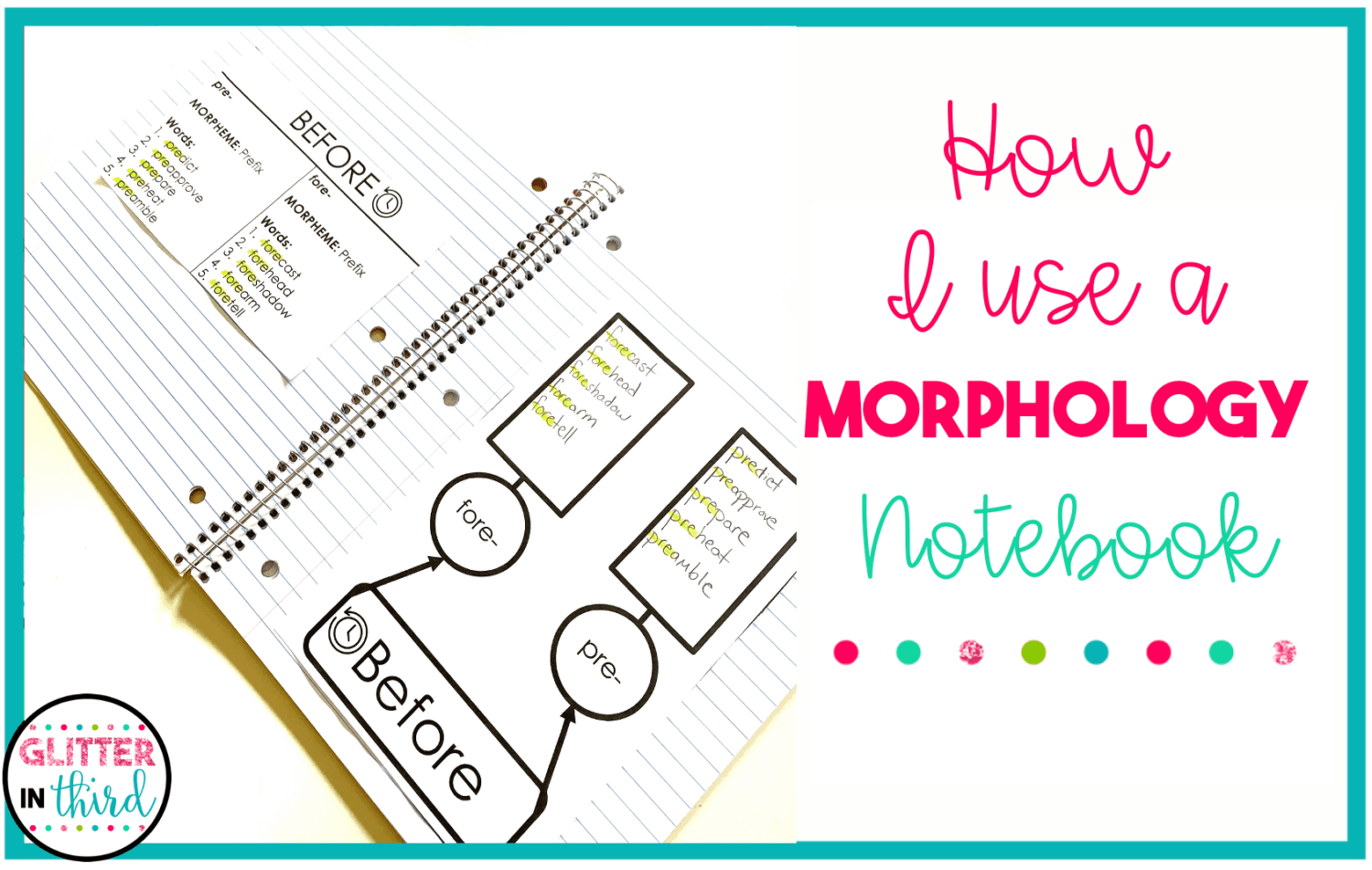
I’ve tried a lot of vocabulary strategies over the years—word walls, sticky note definitions, flashcards, you name it. But nothing has helped my students build long-term word knowledge quite like using a morphology notebook. It’s simple. It’s consistent. And most importantly, it works. If you’re looking for a way to build vocabulary through the Science […]
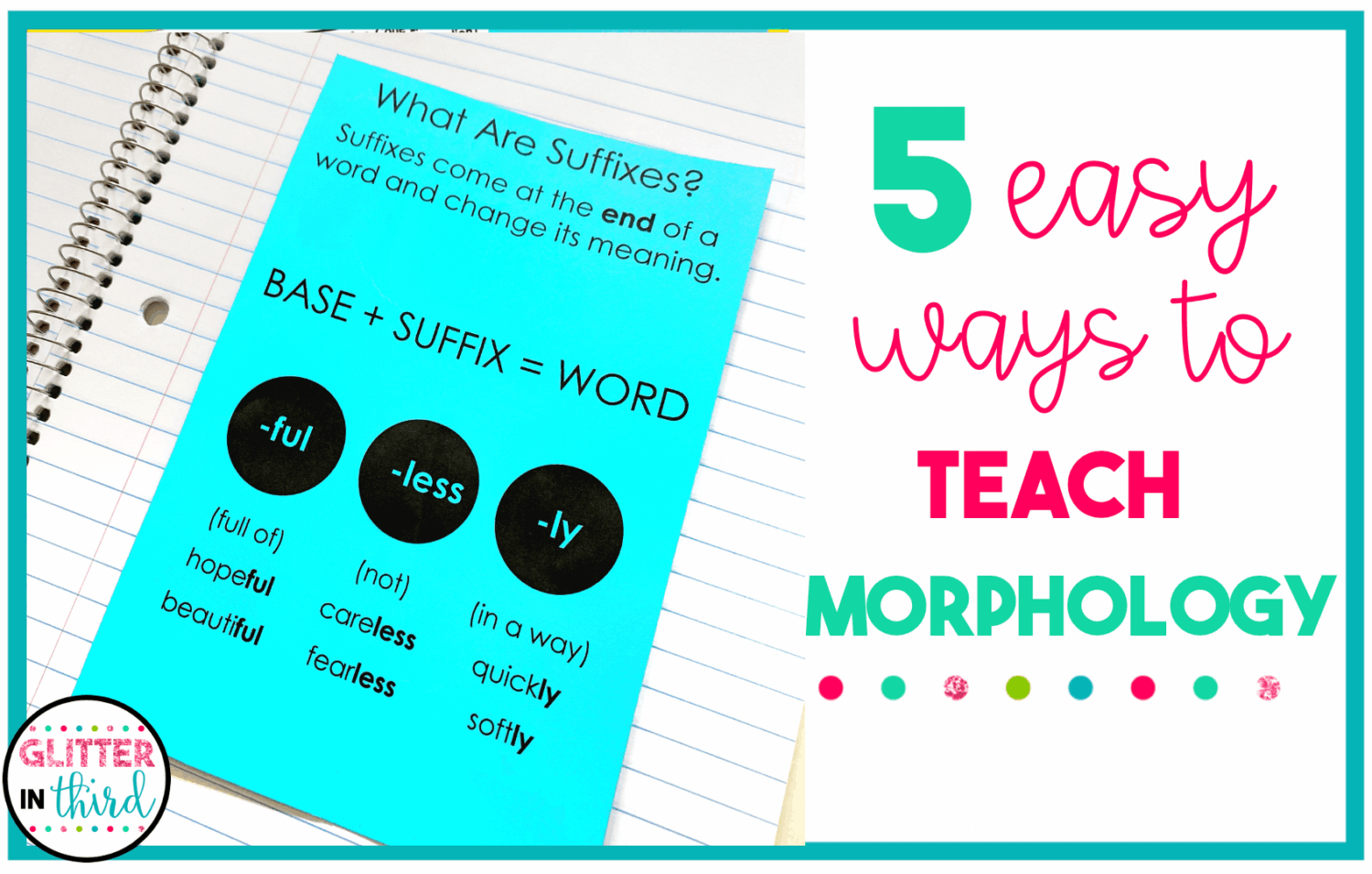
If you’re looking for a way to help students become stronger readers and writers, teaching morphology and connecting it to the science of reading is a powerful place to start. The best part? It doesn’t have to be complicated. When we explicitly teach morphemes—those little word parts like prefixes, suffixes, and roots—we’re giving students strategies […]
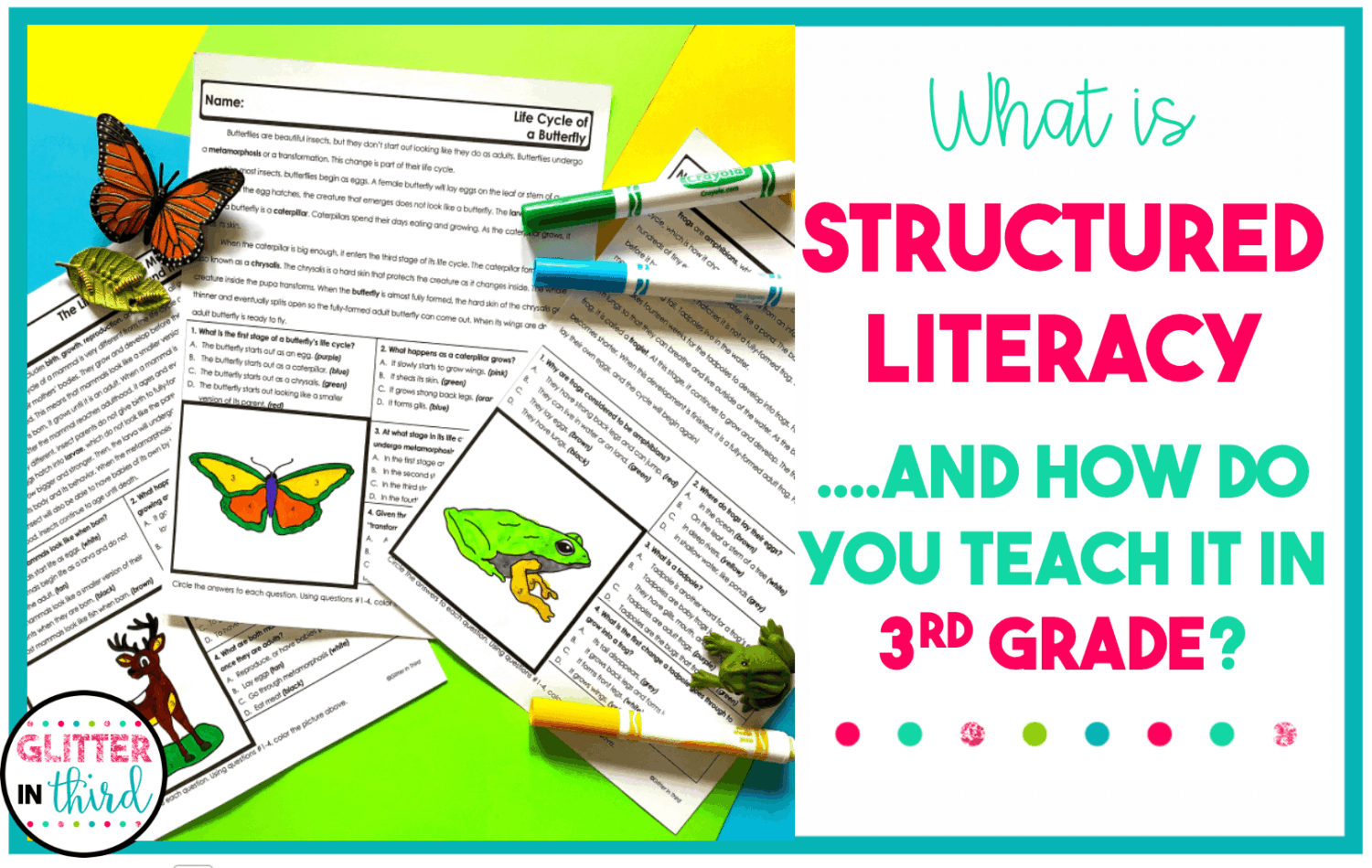
If you’ve been hearing the phrase “structured literacy” more and more lately, you’re not alone. It’s one of the most important shifts coming out of the Science of Reading movement—and it’s especially relevant for 3rd grade teachers. So what does it really look like to teach with a structured literacy approach—and how do you fit […]
If you’ve ever thought, “I know the Science of Reading matters, but how do I actually fit it into my 3rd grade schedule?”—you’re not alone. There’s a lot of buzz about the Science of Reading, but making it work in a real classroom with real kids, real time limits, and real standards can feel overwhelming. […]
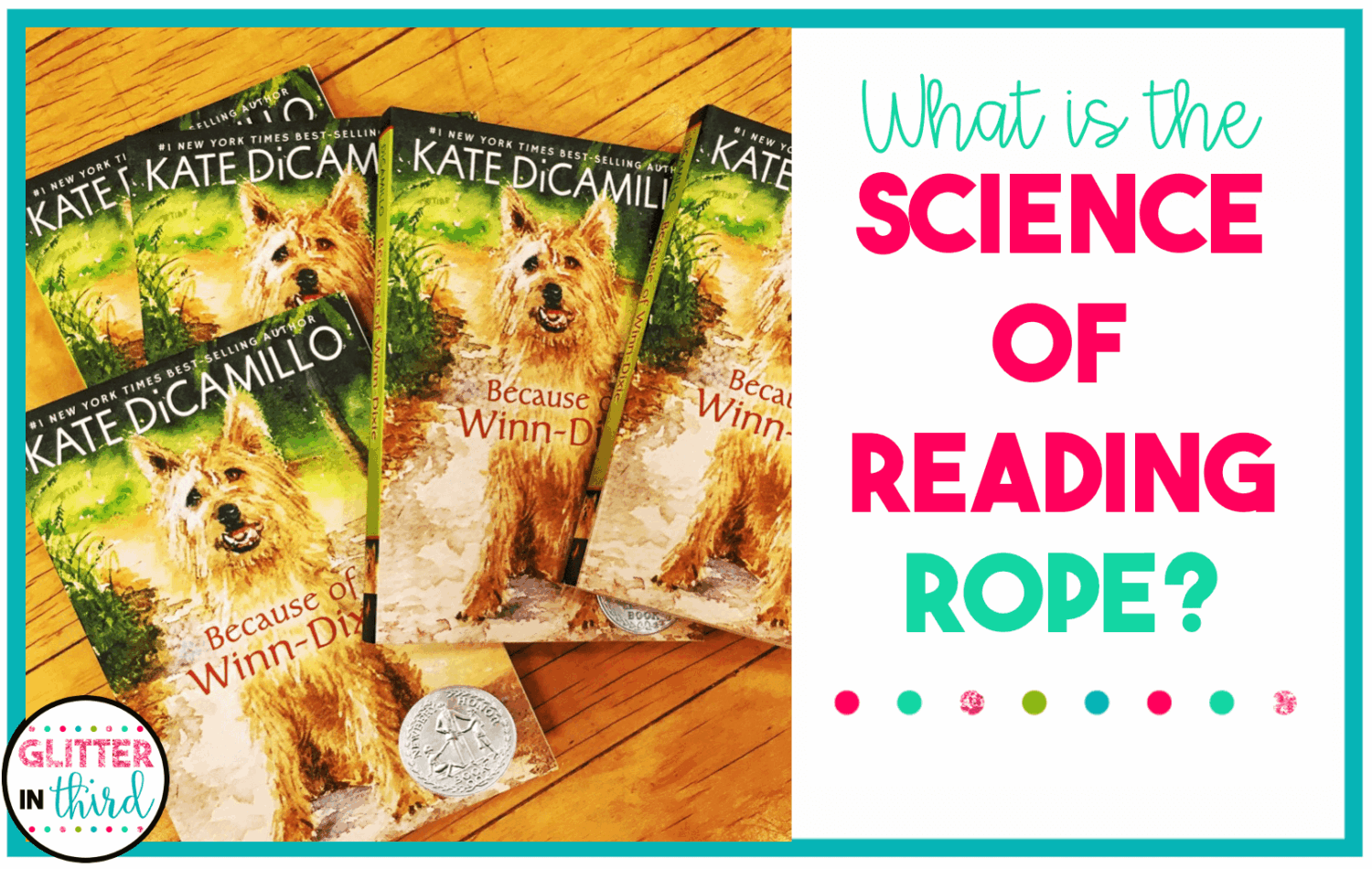
Scarborough’s Reading Rope is one of the most widely shared visuals from the Science of Reading movement—but what does it look like in real classrooms? If you’ve ever seen that colorful rope diagram and thought, “Okay, but what do I actually do with this?”—you’re not alone. While it’s great for understanding what reading is made […]
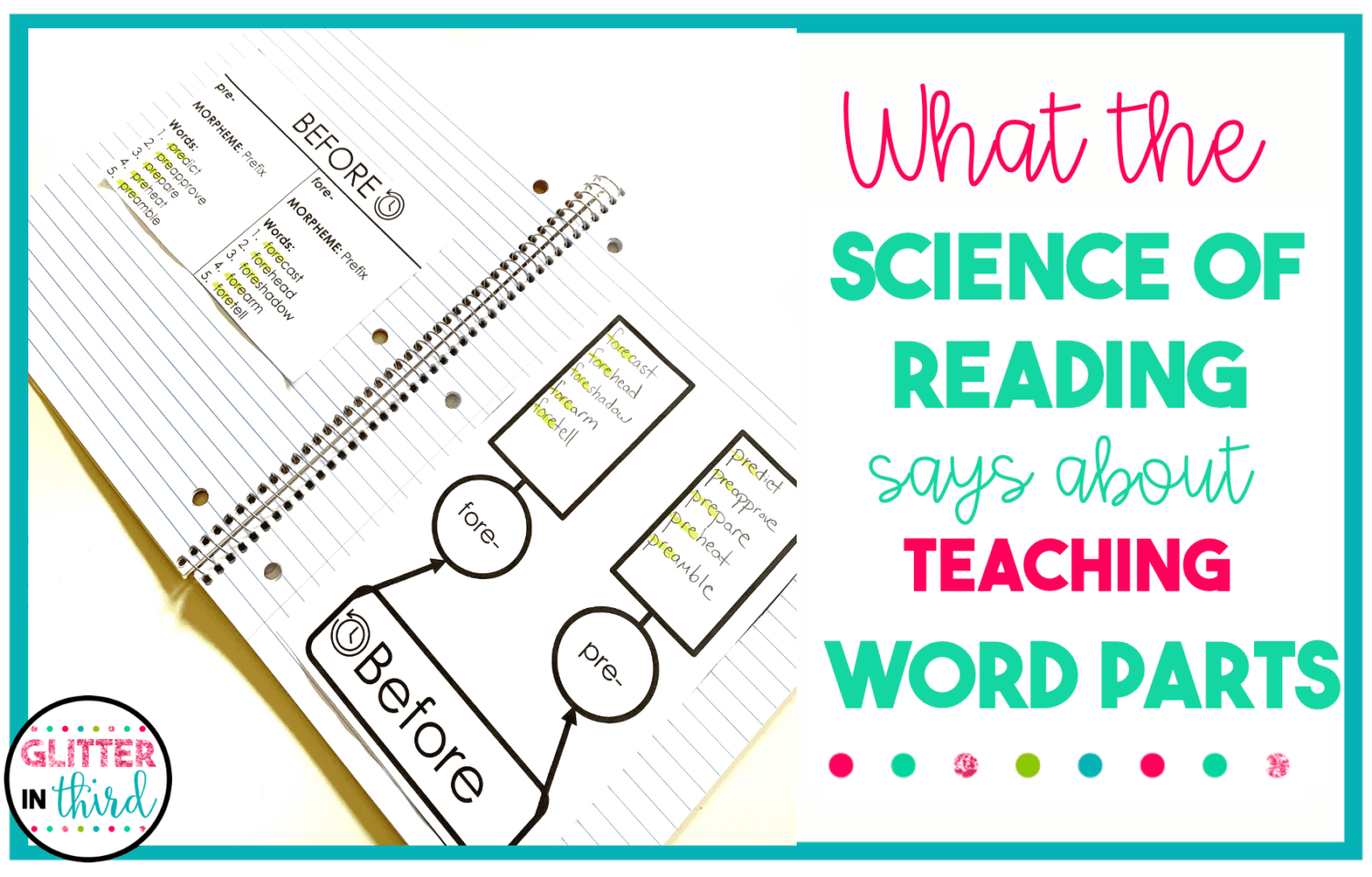
If you’ve ever paused during a lesson and wondered, “Should I be teaching this differently?”—you’re not alone. The Science of Reading word parts approach has been reshaping how we think about literacy instruction, and one of its clearest messages is this: Teaching word parts matters. A lot. We’re talking about prefixes, suffixes, and roots—what the […]
If you’ve been exploring the Science of Reading, you’ve probably seen the terms phonics, phonemic awareness, and morphology used often. But what’s the actual difference between phonics vs phonemic awareness vs morphology—and how do we teach them all without feeling overwhelmed? They’re closely related, and all three are essential. But they each play a different […]
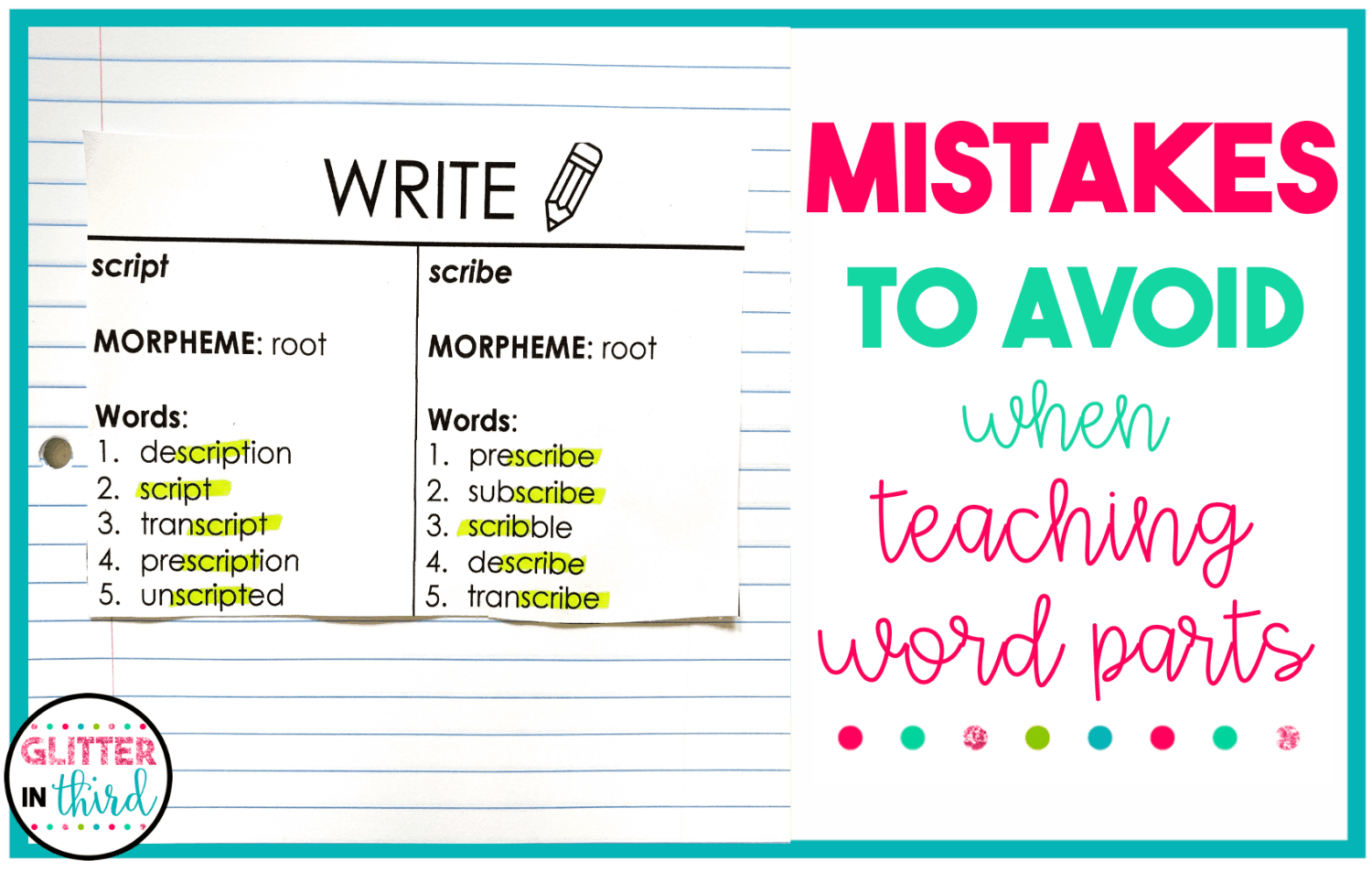
Teaching prefixes, suffixes, and root words can be one of the most effective ways to support vocabulary, decoding, and comprehension. But without a thoughtful approach, even the best intentions can fall flat. If you’ve ever felt like your students memorize word parts but don’t actually use them when reading or writing, you’re not alone. I’ve […]
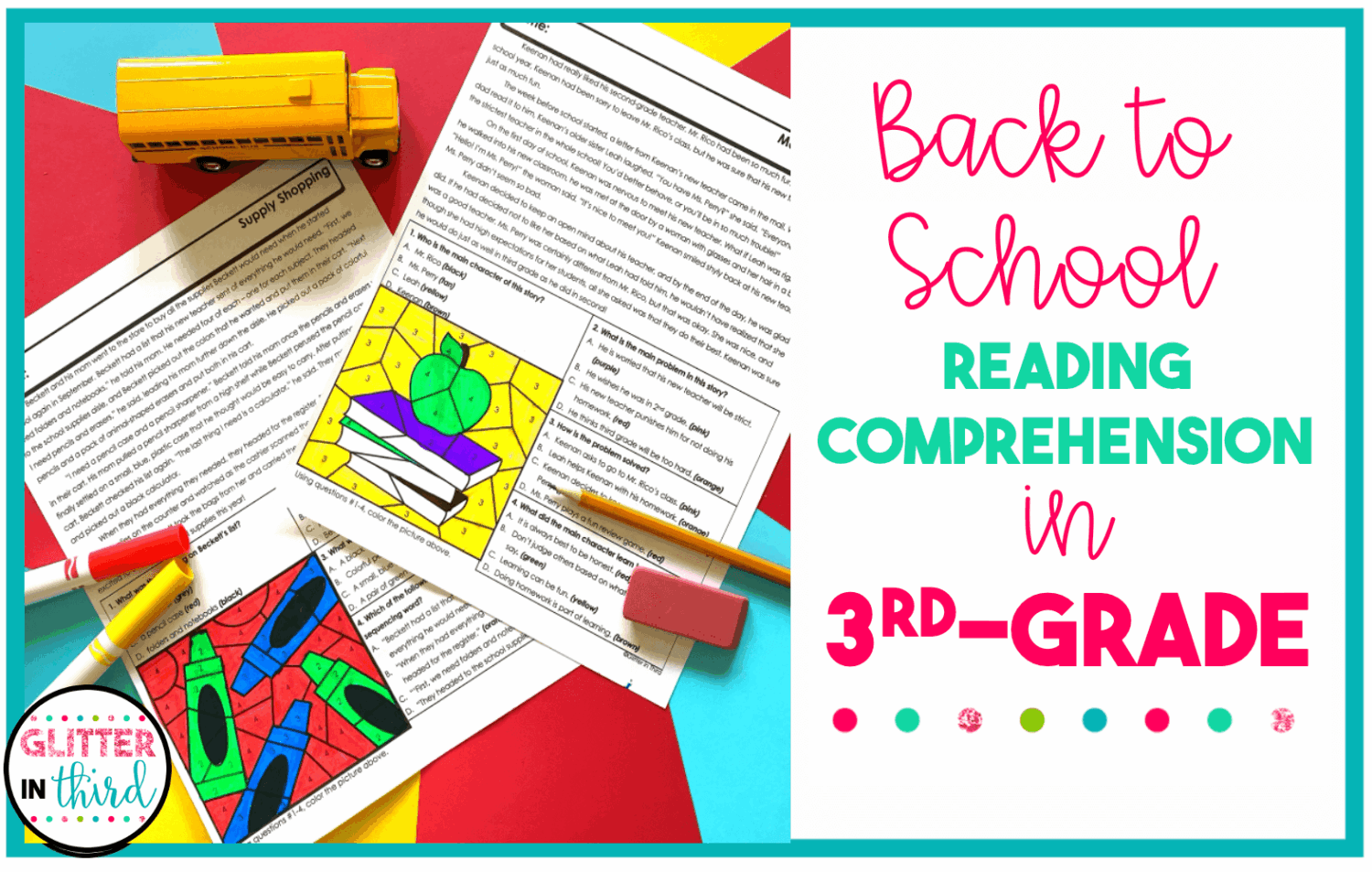
Back to School Reading Comprehension for 3rd Grade doesn’t have to feel overwhelming—especially when you use engaging, low-prep activities that ease students into routines while reviewing key skills. The start of the school year always brings a mix of excitement, nervous energy, and—let’s be honest—wiggly students who are still adjusting to classroom routines. The challenge? […]
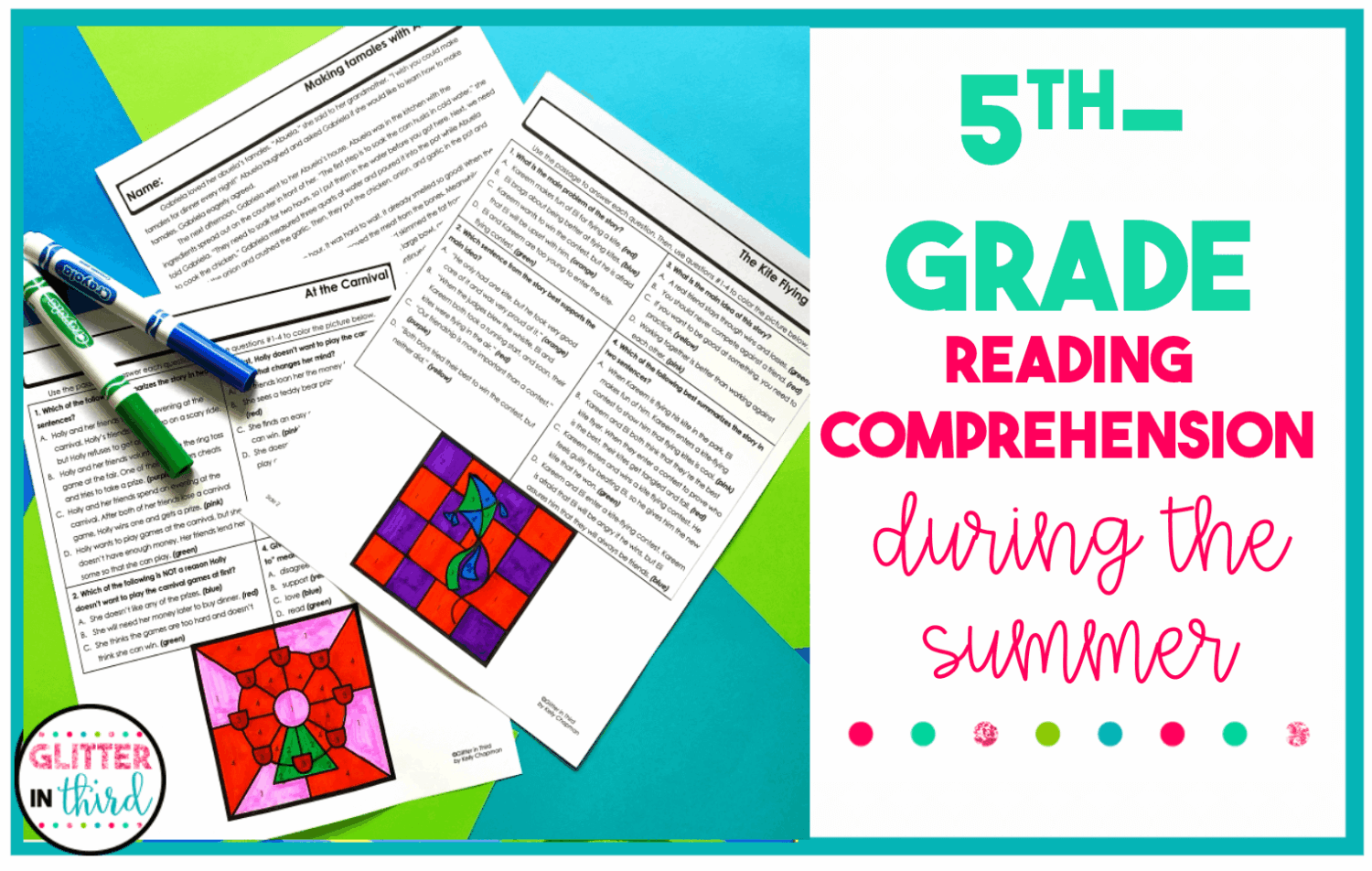
Not sure how to make summer reading comprehension fun for 5th graders? Summer break is here, and while your child definitely deserves some downtime, many parents worry about the “summer slide”—that slow fade of academic skills over the long break. One of the most important areas to keep practicing is reading comprehension, especially for 5th […]
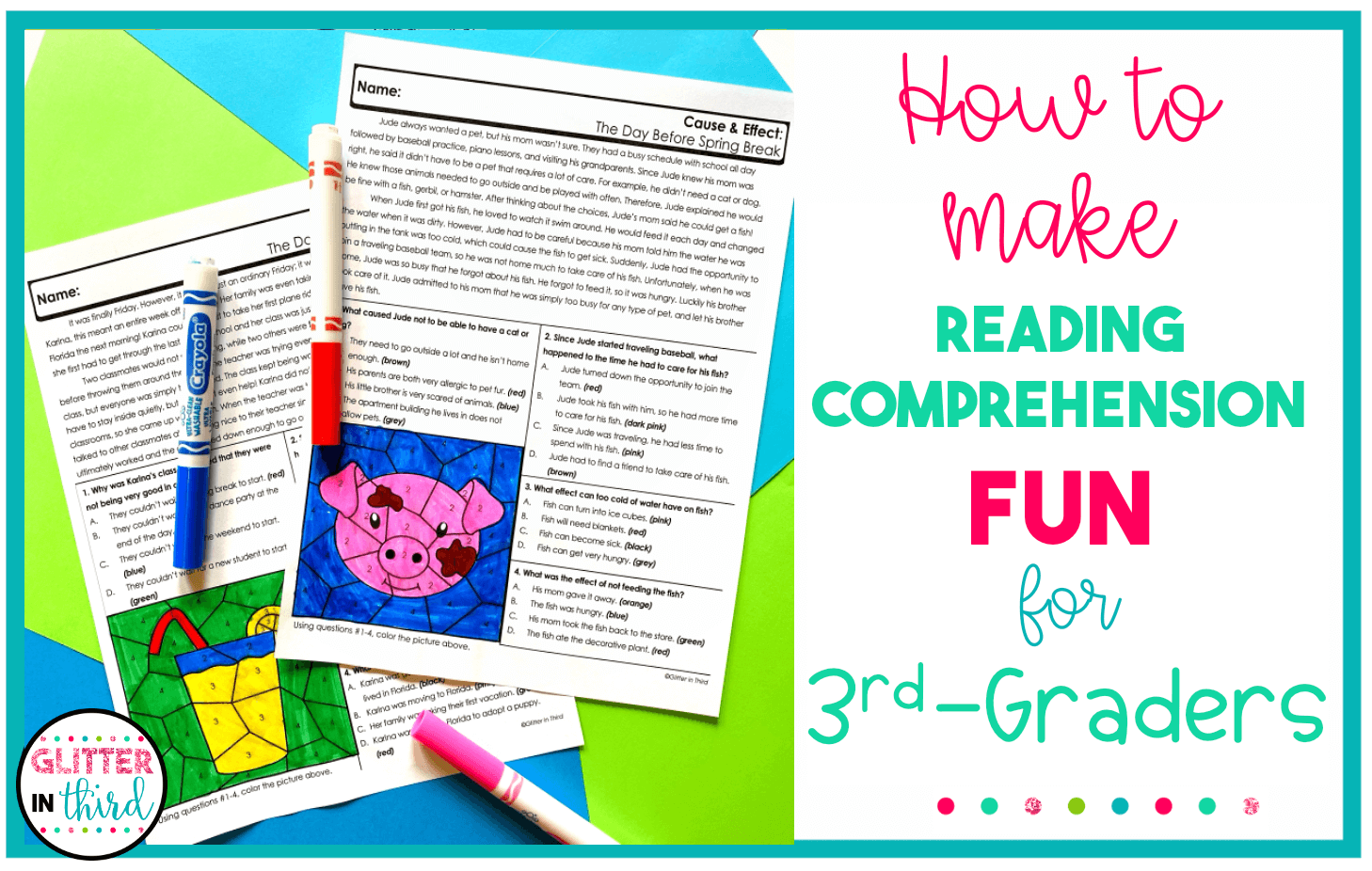
If you’ve ever heard your 3rd graders groan after saying, “Time for reading comprehension,” you’re not alone. While it’s a crucial part of 3rd grade instruction, it can sometimes feel repetitive or frustrating—for both students and teachers. But the good news? Reading comprehension doesn’t have to be boring. With the right tools and strategies, it […]